About Antistatic Bags
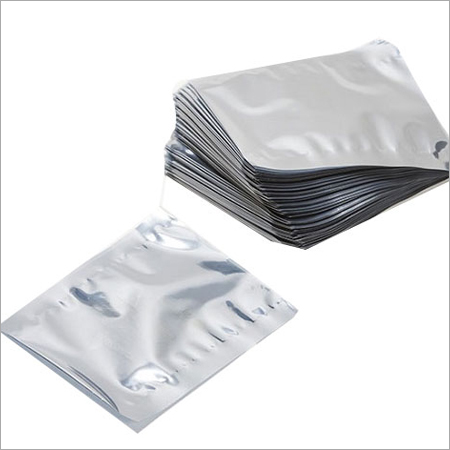
Antistatic Bag is an especially designed plastic protective cover which is used to carry and store materials that generate static electricity. It prevents the interaction of highly sensitive electronic components from the electrostatic discharge to avoid any damage to the equipment. It is made from polyethylene terephthalate and has a distinctive silvery color. Devices like random access memory, motherboard, hard drive, soundcard, graphic and video card are mainly stored in this antistatic bag. It does not create any form of charge due to tribochargingto prevent static charge.
Comprehensive ESD Protection for ElectronicsOur antistatic bags provide robust electrostatic discharge protection, featuring surface resistance between 10^6 and 10^11 ohms/sq. This safeguards your sensitive electronic components from static-related damage during storage and transit. The bags are available in various sizes, thicknesses, and closure types, catering to the diverse needs of manufacturers and exporters.
Versatile Design and CustomizationChoose from a selection of materials, colors, and finishes to suit specific applications. The bags can be transparent, semi-transparent, plain, metallized, or customized with logos and handling instructions. Available in sizes ranging from 3x5 to 6x8 inches or tailored to specification, their moisture-proof, dust-resistant, and durable construction ensures long-term reliability.
Ease of Use and ComplianceDesigned for convenience, these bags feature options like resealable closures, heat sealable seams, and smooth surfaces. They fully comply with RoHS directives and offer a shelf life of up to 24 months under standard storage. Custom printing with ESD warning symbols, barcodes, or branding is available for added safety and identification.
FAQs of Antistatic Bags:
Q: How do antistatic bags protect electronic components from static discharge?
A: Antistatic bags feature surface resistance levels between 10^6 and 10^11 ohms/sq, which dissipate static electricity safely. This protects sensitive electronic items such as PCBs and microchips from electrostatic discharge (ESD), reducing the risk of component failure during handling and transportation.
Q: What are the available customization options for these antistatic bags?
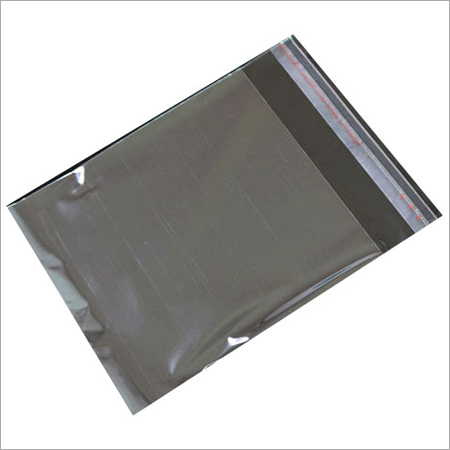
A: You can customize bag thickness (0.05 mm 0.20 mm), material (PE, PP, PET/metallized polyester), closure type (resealable, heat seal, zip lock, open-top), color (pink, silver, blue, transparent), size, and printing (logos, barcodes, ESD warnings, or instructions) to match your specific requirements.
Q: When should I choose metallized versus transparent antistatic bags?
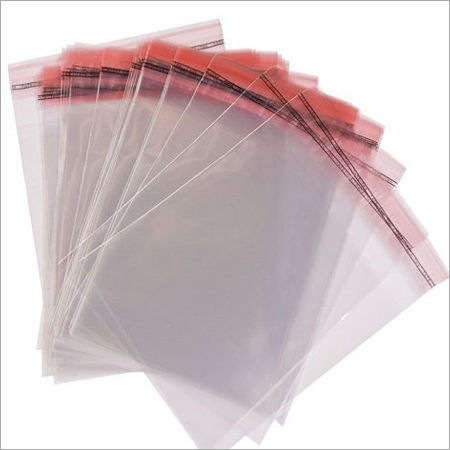
A: Metallized bags provide enhanced ESD protection and shielding properties, ideal for highly sensitive components, while transparent or semi-transparent bags are best when easy visual inspection of contents is needed, suitable for less sensitive parts.
Q: Where are these antistatic bags commonly used?
A: These bags are widely used in electronics manufacturing, assembly, and export industries for packaging printed circuit boards, integrated circuits, sensors, resistors, and mobile device components, both within India and for international shipment.
Q: What is the typical process for sealing and handling these bags?
A: Depending on the chosen closure type, you can seal the bags using heat sealing equipment, by pressing a zip lock mechanism, or by simply folding open-top variants. Smooth surfaces and antistatic coatings make them easy to handle during both manual and automated packaging operations.
Q: What benefit does RoHS compliance provide for these bags?
A: RoHS compliance ensures that the bags do not contain hazardous substances, making them safe for use in various industries and suitable for export to countries with strict environmental regulations.
Q: How long can these bags safely store electronic components?
A: With proper storage in standard conditions, antistatic bags maintain their protective properties and integrity for 12 to 24 months, ensuring reliable long-term storage of electronic parts.

 Send Inquiry



 Send Inquiry

 Send Inquiry


 English
 Spanish
 French
 German
 Italian
 Chinese (Simplified)
 Japanese
 Korean
 Arabic
 Portuguese